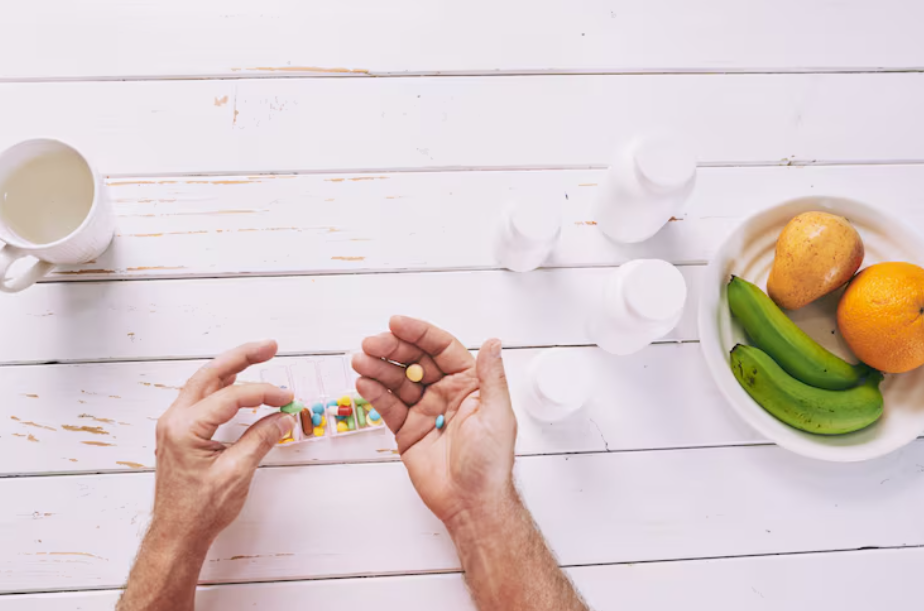
Supporting opioid detox isn’t just about following a schedule or taking pills. Vitamins like B complex and C, minerals like magnesium and calcium, and herbs like passionflower or valerian root can help the body handle withdrawal a bit better. Amino acids such as L-glutamine and L-tyrosine also support recovery, and antioxidants like vitamin E help repair damage caused by stress and substance use. Working with experienced rehab providers can make it a lot easier to figure out what actually helps and what might not be necessary.
Of course, this doesn’t make detox painless. Some days still feel rough. But giving your body extra nutrients sometimes helps you push through the worst moments. Even small changes can feel like a boost when everything else seems out of control.
Essential Vitamins for Opioid Detox
During detox, vitamins B and C are really worth paying attention to. B complex helps with energy, nerve function, and red blood cell production, all things that can get depleted during opioid use. Taking these can slightly ease some withdrawal symptoms, which is a relief when you’re feeling run down.
Vitamin C is another one to focus on. It’s a potent antioxidant, helps the immune system, and may reduce some of the oxidative stress the body goes through during detox. You don’t need to overthink it, but making sure you get enough can actually help your body heal faster.
Key Minerals to Support Detox
Minerals often get overlooked, but they’re super crucial during detox. Magnesium, calcium, zinc, and potassium can all run low after long-term opioid use. Magnesium, for example, can ease muscle aches and cramps, which are common when you’re detoxing.
Calcium keeps bones and nerves working well, zinc helps mood and immunity, and potassium is essential for heart and muscle function. Adding foods rich in these minerals or supplements gives your body stability. Even small doses make a difference when the body is stressed.
Herbal Supplements for Withdrawal Symptoms
Herbs can actually be helpful for easing some withdrawal symptoms. Passionflower, valerian root, and kava kava have been used to calm nerves and help with sleep problems. Passionflower may ease restlessness, valerian root can encourage relaxation, and kava kava has been used traditionally to reduce anxiety.
It’s important to be careful, though, and check with a healthcare professional. Herbs aren’t always harmless and can sometimes clash with medications. Used properly, they can take the edge off and make the detox process a bit more manageable.
Amino Acids for Recovery
Amino acids are the building blocks of proteins, and during detox, the body sometimes needs more than usual. L-glutamine and L-tyrosine are two that can help. L-glutamine may reduce cravings and help the gut heal, while L-tyrosine supports dopamine production, which can improve mood and focus.
Adding these under supervision can make a noticeable difference. It doesn’t cure withdrawal, but it can help the body repair itself more smoothly. It’s kind of like giving your system a bit of a head start while it’s under stress.
Antioxidants for Healing
Detox puts the body under oxidative stress, which is when free radicals damage cells and tissues. Antioxidants like vitamin C, vitamin E, and selenium help neutralize those free radicals. Eating antioxidant-rich foods like berries, leafy greens, and nuts can help reduce inflammation and support healing.
Supplements can also give an extra boost if diet alone isn’t enough. They may not feel dramatic, but small improvements in cell repair can actually add up. Prioritizing antioxidants gives your body another tool to cope with the stress of detox.
Omega-3 Fatty Acids Benefits
Omega-3 fatty acids are great for the brain and mood during detox. Found in fatty fish, flaxseeds, and walnuts, they can help reduce inflammation and improve cognitive function. This is useful when cravings, anxiety, and irritability make everything feel overwhelming.
Including omega-3s in your diet or through supplements can support both physical and mental health. It’s another way to give your body a little support while it recovers. Even small improvements in brain function and mood can make detox feel a bit more manageable.
Related Topics: